



Hydraulic Fracturing & the Marcellus Shale: How the Process Works
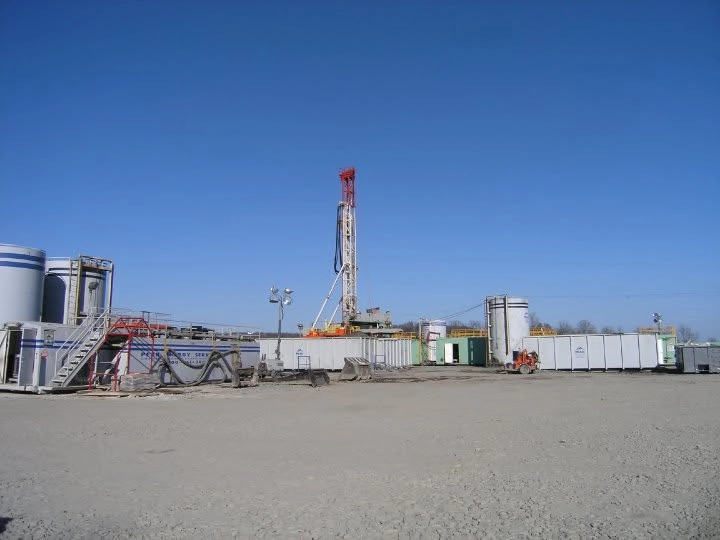
Hydraulic fracturing (fracking) combined with horizontal drilling has unlocked vast natural gas reserves in the Marcellus Shale. This post walks through the step-by-step process — from drilling and perforation to fluid injection, proppants, and flowback water management.
Hydraulic fracturing (hydrofracturing or "fracking"), combined with horizontal drilling, enables economic extraction of natural gas from the low-permeability Marcellus Shale, a Devonian-age black shale formation in the Appalachian Basin (primarily Pennsylvania, West Virginia, Ohio, and New York).
The Sponsors for this Article are
Jase Medical “Emergency Medications & First Aid Kits”
and Get a Free PDF copy of “Our Drinking Water”
Act Now: Subscribe to the Know Your H2O Newsletter
Key Context for Marcellus Shale Development
The Marcellus Shale is a black shale deposit that lies at depths of roughly 1–2 km (thousands of feet). The Marcellus Shale (also called the Marcellus Formation) is a Middle Devonian-age sedimentary rock unit found in eastern North America. The formation is primarily a thick layer of organic-rich black shale (with some interbedded limestones and concentrations of minerals like iron pyrite), deposited roughly 380–390 million years ago in a deep, oxygen-poor marine environment of the Appalachian Basin. The overall footprint is about 95,000–104,000 square miles (roughly the size of several northeastern states combined). The Marcellus is one of the largest and most productive shale gas plays in the United States. It is an unconventional reservoir — the gas is tightly trapped in the low-permeability shale rock itself, rather than in traditional porous sandstone or limestone traps.
The Marcellus was deposited in a restricted, oxygen-poor (anoxic) inland sea in the Appalachian Basin. Large amounts of marine organic material — mostly plankton, algae, and other microscopic organisms — sank to the seafloor and mixed with fine sediment. Because bottom waters had very little oxygen, the organic matter did not fully decay and was preserved. This created an organic-rich black shale with high total organic carbon.
With time and increasing pressure and mild temperatures, the organic material was converted into kerogen. With further heating, the kerogen was converted into methane gas. The methane is essentially trapped in the formation. Traditional vertical drilling yields little gas, so operators use horizontal drilling to make more of the formation accessible, followed by multi-stage hydraulic fracturing to increase the permeability of targeted areas within the formation. This same process is used in other shale plays throughout the world to produce methane gas through unconventional natural gas development.
Step-by-Step Hydrofracturing Process
1 Drilling the Well:
- Drill vertically to just above the target shale layer.
- Turn the wellbore horizontally (lateral) for several thousand feet within the shale.
- Install and cement steel casing to isolate the well from groundwater aquifers and surrounding formations.
2 Perforation:
- Use small explosive charges to create perforations (holes) in the casing and cement in specific stages along the horizontal section. This allows fluid to enter the formation.
3 Injection of Fracturing Fluid:
- Pump large volumes of fluid (typically 3–5 million gallons per well, though it varies) at high pressure into the well.
- The fluid is ~99.5% water and sand (proppant), with ~0.5% chemical additives (e.g., friction reducers, biocides, scale inhibitors, surfactants, gelling agents). These additives optimize the process but are publicly disclosed (e.g., via FracFocus: The national hydraulic fracturing chemical disclosure registry).
- High pressure creates and propagates thin fractures (often paper-thin, extending hundreds of feet) in the shale.
4 Propping the Fractures:
- Sand or other proppants carried by the fluid hold the fractures open once pressure is released, creating conductive pathways for gas to flow to the wellbore.
5 Flowback and Production:
- Reduce pressure; a portion (25–100%) of the injected fluid returns to the surface as "flowback" or produced water (often saline and containing formation minerals).
- This water is managed by recycling for other wells, treatment, or approved disposal.
- Natural gas flows up the well for processing and distribution. Production starts high and declines over time.
The fracturing process for a well typically takes a few days to complete (often in multiple stages along the horizontal lateral) and has been used safely in hundreds of thousands of wells historically.
Marcellus-Specific Notes
- Wells in the Marcellus often require high-volume fracturing due to the formation's characteristics.
- Water is sourced locally (rivers, etc.) and efforts increasingly focus on recycling flowback to reduce freshwater use.
- The technique, while transformative for gas production, involves surface activity (truck traffic, storage tanks) and wastewater management, which are regulated to protect groundwater (via casing and other measures).
This process unlocked vast reserves of methane gas from the Marcellus Shale, making it a major U.S. natural gas producer, and ultimately causing the price of natural gas to fall.
The more recent "Environmental Concern in Pennsylvania and many other states is Data Centers. (Learn More)
Follow Us
Videos
Private Well Water Testing Baseline Assessment — Getting Your Water Tested
Article References
Marcellus Shale Natural Gas Development & Production
The Process of Hydraulic Fracturing
Hydraulic Fracturing in Virginia
Affiliate Disclosure: This article contains affiliate links. If you purchase a product through one of these links, we may earn a small commission at no additional cost to you. We only recommend products we believe in. This helps support our mission to educate consumers about water quality.

